




Introduction
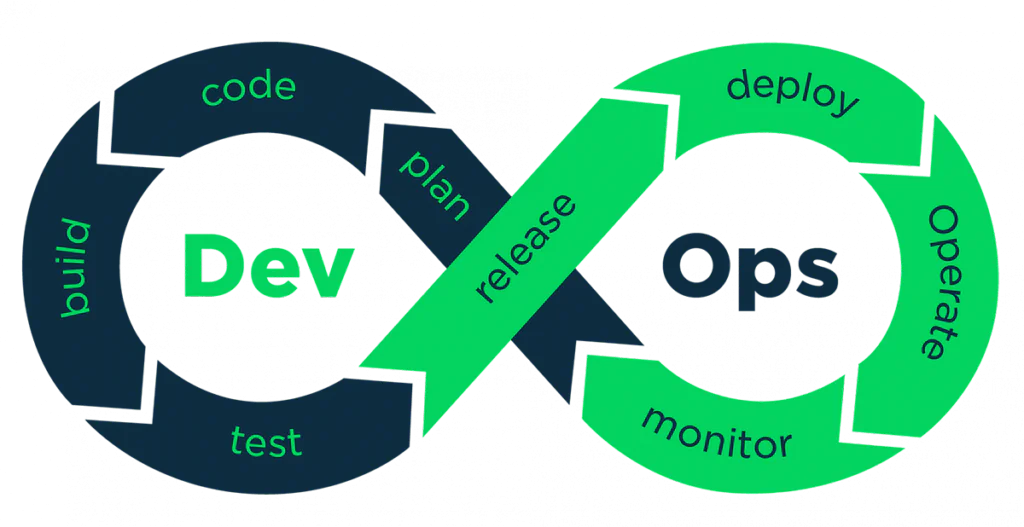
The Certified DevOps Engineer (CDE) certification is a specialized credential aimed at professionals who want to master DevOps practices and tools, which are essential for modern software development, deployment, and operational efficiency. DevOps is a cultural and technological shift that integrates development and operations teams to increase collaboration, automate processes, and deliver high-quality software at faster speeds. This certification validates the skills necessary to manage the complete software lifecycle from development to deployment, with a focus on continuous integration, continuous deployment (CI/CD), automation, and monitoring. As businesses adopt DevOps principles to remain competitive, professionals with a Certified DevOps Engineer certification are in high demand.
Who Should Take the Certified DevOps Engineer Certification?
The Certified DevOps Engineer (CDE) certification is ideal for:
- DevOps Engineers: Those directly involved in the implementation and management of DevOps practices in their organizations.
- Site Reliability Engineers (SRE): Professionals focused on ensuring the reliability and scalability of systems, especially in high-traffic environments.
- Platform Engineers: Engineers who build and maintain infrastructure and tools for development teams.
- Cloud Engineers: Professionals who design, manage, and optimize cloud infrastructure and services, which are critical components in a DevOps setup.
- Engineering Managers: Those overseeing development teams and DevOps implementations who need to understand DevOps workflows at a strategic level.
- Software Engineers: Developers looking to broaden their skill set by integrating DevOps practices into their development lifecycle.
This certification is also suitable for professionals aiming to move into DevOps roles from related fields, like software development or system administration.
Skills You’ll Gain
- Continuous Integration & Delivery (CI/CD) Processes
- Infrastructure as Code (IaC) Implementation
- Cloud Computing and Deployment Strategies
- Automation of Deployment Pipelines
- Monitoring and Logging Systems
- Configuration Management with Tools like Ansible, Chef, and Puppet
- Security Best Practices and DevSecOps
- Collaboration and Communication in Agile Teams
Real-World Projects You’ll Be Able to Handle
Upon completing the CDE certification, you’ll be able to apply your knowledge to various real-world projects, such as:
- CI/CD Pipeline Automation: Design and implement continuous integration and deployment pipelines using tools like Jenkins, GitLab, or CircleCI.
- Infrastructure as Code (IaC): Utilize tools like Terraform or AWS CloudFormation to automate the provisioning and management of cloud infrastructure.
- Cloud Deployment and Orchestration: Deploy and manage cloud-native applications using containerization platforms like Docker and Kubernetes, ensuring scalability and reliability.
- Monitoring and Logging: Set up systems to monitor application health, performance, and log data using tools like Prometheus, Grafana, and ELK stack (Elasticsearch, Logstash, Kibana).
- Security Integration (DevSecOps): Integrate security into the DevOps lifecycle, automating security testing and deploying patches automatically.
- Collaboration and Communication: Work effectively with cross-functional teams to improve software development speed, quality, and security.
By working on these projects, you’ll gain hands-on experience in automation, infrastructure management, and collaboration—key areas of DevOps.
Preparation Plan
Here’s a suggested timeline to prepare for the Certified DevOps Engineer certification:
- 7–14 Days (Intensive Preparation)
Focus on hands-on labs and practice exams. Work through foundational concepts of cloud infrastructure, containerization, and automation tools like Jenkins, Kubernetes, and Terraform. - 30 Days (Moderate Preparation)
Follow a balanced approach between theoretical learning and practical applications. This duration allows you to explore advanced topics such as infrastructure management, deployment strategies, and continuous monitoring. - 60 Days (Extended Preparation)
For those with little to no experience in DevOps, this extended plan allows you to dive deep into all aspects of DevOps and secure a solid understanding before attempting the exam.
Common Mistakes
- Not practicing hands-on labs enough
- Overlooking security practices (DevSecOps)
- Skipping the fundamental understanding of CI/CD pipelines
- Ignoring the integration of monitoring and logging systems
- Attempting the exam without mastering key automation tools like Jenkins, Docker, or Terraform
- Relying too much on theory and not enough on practical applications
Best Next Certifications After CDE
After completing the Certified DevOps Engineer (CDE) certification, you might consider these next certifications to further specialize or move into leadership roles:
- Same Track Certifications:
- Certified Kubernetes Administrator (CKA): If you want to specialize in container orchestration, Kubernetes is a crucial tool in DevOps, and this certification validates your expertise in deploying and managing Kubernetes clusters.
- AWS Certified DevOps Engineer – Professional: A deep dive into DevOps on Amazon Web Services (AWS), focusing on automation, monitoring, and security in the cloud.
- Cross-Track Certifications:
- Certified DevSecOps Engineer: For those looking to integrate security into the DevOps pipeline (DevSecOps).
- Google Cloud Professional Cloud DevOps Engineer: For professionals working in cloud environments and looking to specialize in Google Cloud’s DevOps capabilities.
- Leadership Certifications:
- Certified DevOps Leader (DOL): If you are moving into leadership or managerial roles, this certification helps in understanding the strategic implementation of DevOps across organizations.
- Project Management Professional (PMP): Ideal for professionals who wish to combine their technical skills with leadership and project management capabilities.
Choose Your Path
DevOps offers several specialized tracks based on the needs of modern technology teams. Depending on your career goals, you can pursue further certifications in:
- DevOps: Focus on automation, CI/CD, and infrastructure management.
- DevSecOps: Integrate security practices into the DevOps lifecycle.
- SRE (Site Reliability Engineering): Focus on system reliability and uptime.
- AIOps/MLOps: Integrate machine learning and AI into operations.
- DataOps: Combine data management with DevOps principles.
- FinOps: Manage cloud costs effectively in the DevOps lifecycle.
Role → Recommended Certifications Mapping
| Role | Recommended Certifications |
|---|---|
| DevOps Engineer | Certified DevOps Engineer (CDE), AWS Certified DevOps Engineer |
| SRE | Certified Kubernetes Administrator, Google Cloud Professional Cloud DevOps Engineer |
| Platform Engineer | Red Hat Certified Engineer (RHCE), Certified Kubernetes Administrator |
| Cloud Engineer | AWS Certified Solutions Architect, Microsoft Certified: Azure DevOps Engineer Expert |
| Security Engineer | Certified Information Systems Security Professional (CISSP), Certified DevSecOps Engineer |
| Data Engineer | Google Professional Data Engineer, Microsoft Certified: Azure Data Engineer Associate |
| FinOps Practitioner | Certified FinOps Professional |
| Engineering Manager | Certified ScrumMaster (CSM), Certified Agile Leadership (CAL) |
Top Institutions Providing CDE Training and Certifications
Several institutions offer comprehensive training and certification programs for Certified DevOps Engineer (CDE). These include:
- DevOpsSchool: Offers in-depth courses designed to help you master DevOps concepts with hands-on labs, expert-led sessions, and live projects.
- Cotocus: Known for delivering practical, real-world training for DevOps professionals, with mentorship and extensive exam preparation.
- Scmgalaxy: Provides industry-relevant DevOps certification courses, covering both basic and advanced topics in DevOps and CI/CD practices.
- BestDevOps: Specializes in providing high-quality DevOps training programs and certification, ensuring a strong understanding of DevOps practices and tools.
- DevSecOpsSchool: Dedicated to integrating security into DevOps practices, offering specialized training in DevSecOps for a secure development lifecycle.
- SRESchool: Offers training programs focused on Site Reliability Engineering, helping engineers learn to maintain highly reliable systems in production.
- AIOpsSchool: Provides training in applying artificial intelligence (AI) and machine learning (ML) in operational processes, enhancing DevOps workflows.
- DataOpsSchool: Focuses on the integration of data management with DevOps principles, training professionals in DataOps practices.
- FinOpsSchool: Offers training in financial operations management in cloud environments, emphasizing cost optimization in DevOps environments.
FAQs
- What is the difficulty level of the Certified DevOps Engineer exam?
- The exam is moderately difficult, requiring hands-on experience and knowledge of DevOps tools and practices.
- How much time do I need to prepare for the CDE exam?
- The preparation time varies. On average, it takes between 30 to 60 days depending on your experience level.
- What are the prerequisites for the CDE certification?
- Basic knowledge of software development, cloud platforms, and automation tools is recommended before attempting the exam.
- What is the recommended order for DevOps certifications?
- Start with foundational certifications like Certified Jenkins Engineer and then proceed to advanced certifications like CDE and Kubernetes.
- What is the value of the CDE certification?
- It is highly recognized in the industry, offering career advancement opportunities and a deeper understanding of DevOps practices.
- How does the CDE certification help my career?
- It boosts your credibility as a skilled professional, enabling you to work on complex automation and infrastructure projects.
- What kind of real-world projects can I handle after the certification?
- You’ll be equipped to handle large-scale automation projects, implement CI/CD pipelines, and manage production environments.
- Are there any mistakes to avoid while preparing for CDE?
- Avoid skipping hands-on practice and ensure you understand key tools like Jenkins, Docker, and Kubernetes.