




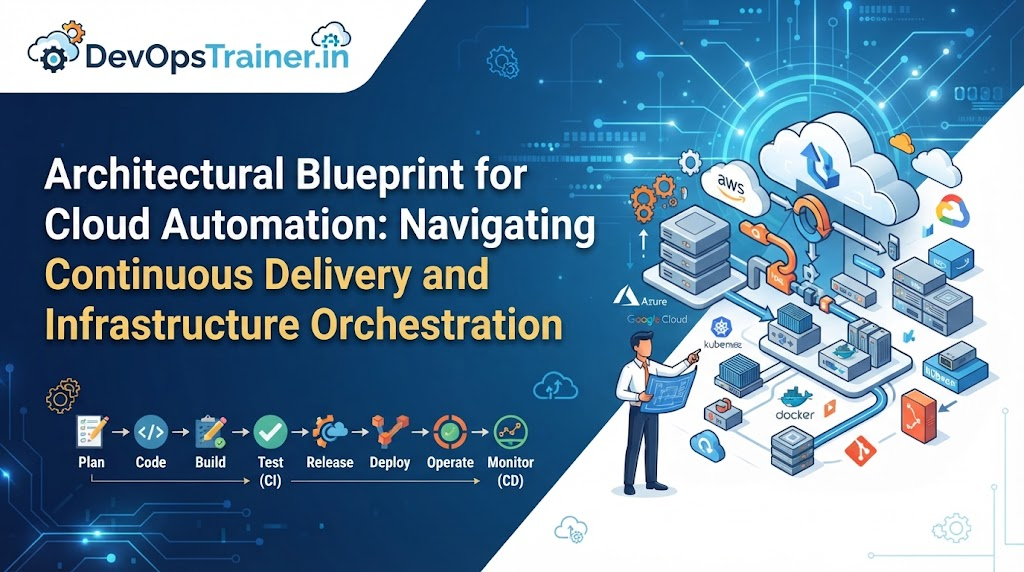
The rapid advancement of cloud ecosystems has fundamentally altered how digital infrastructure is designed, provisioned, and maintained. Achieving accelerated software deployment while preserving operational resilience requires structural synergy across software development, systems administration, cloud security, reliability engineering, and data processing teams. Cultivating this level of operational capability requires systematic technical preparation, immersive scenario-based practice, and automated delivery pipeline architectures.
Acquiring a deep understanding of cloud-native design principles and continuous deployment mechanisms is crucial for technology professionals, systems engineers, and scaling enterprise organizations. This guide examines the fundamental pillars of modern platform engineering, realistic deployment patterns, technical upskilling strategies, and the value of structured instruction in mastering enterprise-grade operations.
Unpacking Modern Cloud Platform Operations
Modern cloud engineering merges collaborative culture with automated tools to streamline software release lifecycles. Rather than working through rigid handoffs across isolated organizational units, engineering teams manage application ecosystems holistically—from code compilation and automated validation to live deployment, traffic management, and continuous observability.
In contemporary cloud platforms, this framework depends on distributed computing resources, microservice designs, container runtime environments, and declarative configuration management. Replacing manual system adjustments with automated CI/CD workflows allows engineering organizations to deploy features, apply patches, and maintain system stability with minimal friction.
Key Technical Gains of Infrastructure Automation
As organizations transition legacy data centers to scalable cloud environments, building proficiency in programmatic infrastructure management yields distinct operational advantages:
- Expanded Release Capacity: Automated validation pipelines eliminate manual approval bottlenecks, allowing development teams to push code updates to production safely within hours.
- Elastic Resource Allocation: Distributed cloud architectures dynamically scale compute and storage nodes to accommodate fluctuating traffic volume without manual intervention.
- Proactive Vulnerability Prevention: Integrating automated security scanning into continuous integration workflows surfaces code vulnerabilities and misconfigurations during initial build phases.
- High Operational Uptime: Real-time health monitoring, self-healing container groups, and automated rollback protocols maintain uninterrupted service availability.
- Professional Advancement: Enterprise engineering groups actively recruit specialists who can design declarative pipelines, govern container clusters, and manage cloud assets programmatically.
Fundamental Pillars of Cloud Engineering
Building expertise across modern deployment platforms requires a structured learning path across several technical disciplines:
Systems Foundations and Automation Scripting
A solid entry point begins with Linux environment management, core networking protocols, Git source control workflows, shell scripting, and declarative provisioning tools like Terraform or Ansible.
Pipeline Orchestration and CI/CD
Automated release pipelines form the backbone of modern software deployment. Core capabilities involve designing build workflows using frameworks like GitHub Actions, GitLab CI, Jenkins, or Azure Pipelines to automate testing, artifact creation, and environment rollouts.
Multi-Cloud Architecture
Fluency across public cloud platforms is essential for modern engineers. Practitioners must know how to architect, secure, and operate scalable resources on platforms like Amazon Web Services, Microsoft Azure, or Google Cloud Platform.
Containerization and Cluster Management
Containers bundle application code with execution dependencies to ensure consistent behavior across heterogeneous environments. Mastering Docker and Kubernetes is essential for orchestrating, networking, and scaling microservice architectures.
System Reliability, Security, and Data Pipelines
Embedding security checks directly into code build steps, adopting Site Reliability Engineering (SRE) paradigms to maintain service level objectives, and automating machine learning pipelines (MLOps) represent high platform maturity.
Enterprise Use Cases and Real-World Implementations
Examining practical engineering scenarios demonstrates how automation concepts function inside production environments:
- Multi-Region Infrastructure Provisioning: Enterprise software platforms use declarative code definitions to spin up matching staging and production environments across geographic cloud locations instantly.
- Zero-Downtime Rollouts: High-traffic web platforms utilize container orchestrators to perform rolling updates, canary releases, or blue-green deployments without dropping active user connections.
- Automated Security Compliance: Financial networks embed static code analysis tools into pull request gates to enforce regulatory compliance before merging updates into target branches.
- Data Science Pipeline Automation: Engineering teams automate data ingestion, model validation, and inference API deployments using specialized pipeline orchestration frameworks.
Overcoming Structural Learning Obstacles
Developing technical mastery across cloud-native environments introduces distinct hurdles for practitioners and enterprise groups alike:
- Managing Toolchain Complexity: Navigating the dense collection of tools for build execution, monitoring, resource provisioning, and cluster management can feel overwhelming.
- Connecting Theory to Production: Studying technical documentation rarely prepares engineers to diagnose live production outages, cluster misconfigurations, or broken build steps.
- Kubernetes Configuration Nuances: Mastering container orchestration involves learning complex network policies, ingress controllers, persistent storage drivers, and role-based access controls.
- Workflow Transformation: Migrating legacy IT operations toward automated DevSecOps workflows requires updating long-standing team habits and operational procedures.
How to Evaluate Training Programs and Educators
Navigating complex technical ecosystems requires clear, structured instruction. When selecting an educational curriculum, corporate upskilling initiative, or technical mentor, evaluate these core factors:
- Demonstrated Industry Experience: Ensure instructors possess proven background building, managing, and troubleshooting enterprise-scale cloud architectures.
- Lab-Centric Learning Models: Select programs centered around active sandbox environments, scenario-driven projects, and live system debugging over passive lectures.
- Up-to-Date Technical Content: Verify that course modules cover current tooling versions, cloud architectures, and modern platform engineering concepts.
- System Recovery Exercises: High-quality training programs explicitly teach engineers how to review system logs, debug failing pipelines, and recover broken production nodes.
The Impact of Specialized Technical Mentorship
Attempting to navigate modern cloud ecosystems independently often results in slow progress through trial and error. Engaging an experienced practitioner simplifies the learning journey by breaking down complex architectures into actionable, step-by-step technical modules.
Structured instruction provides clear learning paths tailored to specific career paths. An experienced AWS DevOps Trainer or Azure DevOps Trainer teaches cloud platform architecture, while a skilled Kubernetes Trainer helps engineers master container orchestration. Targeted guidance from a DevSecOps Trainer or SRE Trainer ensures security standards and system resilience are built into workflows from day one, while an MLOps Trainer bridges data science tooling with operational pipelines.
Whether engaging an Online DevOps Trainer for flexible schedule options or arranging Corporate DevOps Training for enterprise team upskilling, an expert mentor helps engineers avoid common traps and adopt industry standards. Partnering with a dedicated DevOps Trainer in India or globally equips technical teams with practical skills to solve complex deployment challenges. Working alongside a knowledgeable DevOps Trainer ensures skill development stays aligned with modern market expectations.
Targeted Pathways for Diverse Skill Levels
Upskilling strategies must adapt based on an engineer’s existing technical foundation and career objectives:
Beginners and Early-Stage Learners
Engineers entering the field should prioritize Linux command-line tools, basic networking concepts, Git version control, shell scripting, and foundational cloud concepts before attempting complex orchestrations.
Systems Administrators and Software Developers
Practitioners transitioning into platform roles should focus on Infrastructure as Code, CI/CD pipeline building, cloud resource design, and container fundamentals.
Corporate Engineering Teams
Organizations upskilling internal technical groups require structured team programs focusing on tool standardization, shared delivery pipelines, unified security policies, and collaborative release practices.
Advanced Platform Engineers
Senior specialists focusing on platform architecture should explore service mesh topologies, cluster governance, policy-as-code enforcement, full-stack observability, and automated MLOps pipelines.
Overview of Training Delivery Formats
Selecting the appropriate learning format depends on personal schedules, existing experience, and primary learning goals:
| Training Pathway | Target Audience | Core Advantage | Main Factor to Consider |
|---|---|---|---|
| Instructor-Led Live Mentorship | Career changers and upskilling developers | Interactive support and real-time technical feedback | Fixed schedule commitments |
| Enterprise Team Workshops | Corporate engineering groups | Customized to internal tech stacks and company pipelines | Requires organizational planning |
| Self-Paced Online Courses | Experienced engineers targeting specific tools | Flexible pace and independent schedule control | Requires personal discipline |
| Scenario-Based Project Labs | Practitioners building practical portfolios | Practical experience troubleshooting in live environments | Requires basic foundational knowledge |
Proven Practices for Mastering Cloud Technologies
Gaining long-term technical capability requires structured study habits and consistent hands-on execution:
- Develop Command-Line Fluency: Gain complete comfort working inside Linux terminals, executing administrative commands, and writing Bash or Python automation scripts.
- Maintain Version Control Discipline: Store all application code, deployment pipeline files, and environment configurations inside Git repositories.
- Practice in Sandbox Environments: Move beyond reading documentation by launching temporary cloud instances, writing deployment code, and running applications directly.
- Adopt Infrastructure as Code: Avoid manual portal updates; define networking, compute, and storage resources programmatically using tools like Terraform.
- Focus on Observability and Debugging: Practice diagnosing broken build steps, checking system metrics, setting up alert rules, and tracing errors across distributed microservices.
Key Trends Shaping Modern Platform Operations
As cloud ecosystems mature, several emerging technologies are transforming operational workflows:
- Platform Engineering & Internal Developer Portals: Shifting focus toward building self-service internal developer platforms (IDPs) that allow software teams to provision environments independently.
- AI-Driven Operations (AIOps): Utilizing machine learning models for real-time log analysis, automated incident response, and proactive system performance tuning.
- Advanced DevSecOps Workflows: Embedding automated security validation throughout the development lifecycle via continuous vulnerability scanning, dependency audits, and policy enforcement.
- Standardized MLOps Frameworks: Structuring data science pipelines so machine learning models can be tested, deployed, and monitored with the same rigor as traditional software applications.
Frequently Asked Questions
What foundational skills should I learn before starting cloud automation?
A solid baseline includes Linux terminal navigation, networking fundamentals, Git version control, and basic scripting logic.
How does mastering cloud automation advance a tech career?
Modern technology companies rely heavily on automated delivery pipelines and elastic cloud platforms. Developing hands-on expertise in containerization, infrastructure as code, and continuous deployment creates strong career opportunities.
How does Site Reliability Engineering differ from traditional IT operations?
Site Reliability Engineering applies software engineering principles directly to system operations. Rather than manually managing infrastructure, SRE teams build automated software systems to manage, scale, and repair applications.
What main issue does container orchestration solve?
Container orchestration automates deployment, scaling, load balancing, and network routing for microservice applications, eliminating manual server management and single points of failure.
Can software developers transition into platform engineering roles easily?
Yes. Developers already understand programming logic and software build cycles. Transitioning involves expanding skills into cloud infrastructure, security policies, networking, container management, and continuous delivery workflows.
Building expertise in modern software delivery demands continuous learning, practical application, and a strong grasp of evolving cloud technologies. By mastering core technical domains, practicing in real sandbox environments, and seeking structured mentorship, technical professionals and engineering teams can construct resilient, automated systems that power modern software platforms.