







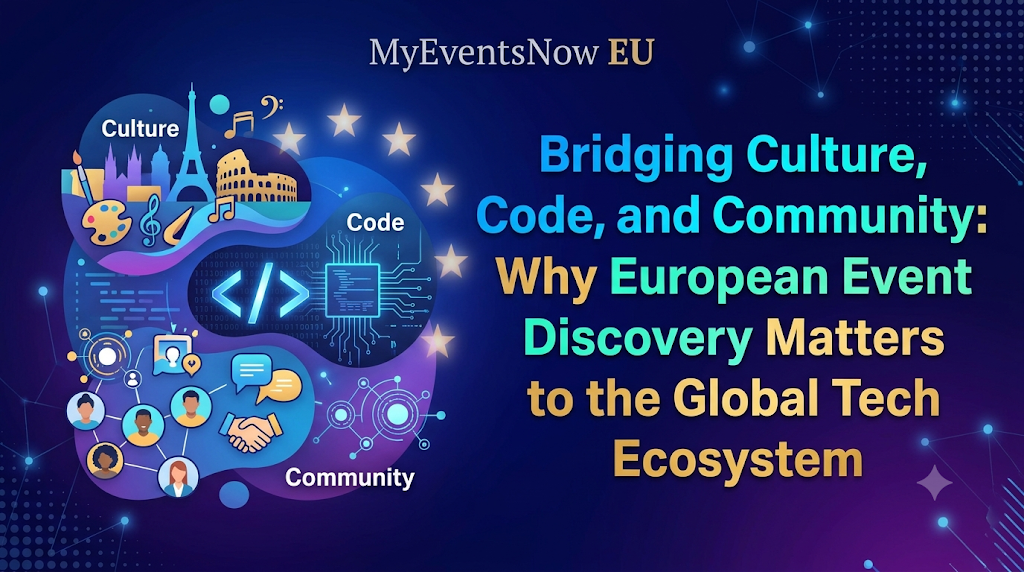
Live events remain the primary proving ground for community culture, engineering collaboration, and creative experimentation across Europe. Throughout the continent, an attendee might spend a morning at a small hands-on code clinic in a neighborhood maker space, spend the afternoon at an international enterprise software exposition, and conclude the evening at an open-air cultural performance or independent film showcase. The volume, geographic distribution, and thematic diversity of these gatherings make Europe one of the most dynamic environments for live, face-to-face interaction. Connecting with these experiences, however, historically demanded deep local familiarity, word-of-mouth networks, or manual hunting through fragmented message boards. For international engineers, visiting professionals, and regional residents alike, navigating isolated announcements created unnecessary administrative friction. Modern audiences expect a unified, transparent digital environment where they can discover upcoming sessions, review verified logistics, evaluate availability, and secure verified entry without friction. Because of this shift, online event ticket booking Europe has evolved into an essential foundation for both professional development and cultural participation. Digital aggregators connect isolated local initiatives with broader audiences across municipal and international borders. Within this expanding sector, platforms such as MyEventsNow EU highlight how digital marketplaces can consolidate regional notices into accessible directories, providing users with a dependable starting point to navigate upcoming gatherings across various destinations. Digital ticketing shifts the entire discovery process from an uncertain manual search into an intuitive, reliable workflow.
From Searching for Events to Booking Tickets Online
Coordinating attendance at an event previously involved notable operational bottlenecks. Prospective participants were forced to rely on scattered print guides, phone box offices during restricted operational hours, or navigate disconnected web forums. Finalizing entry often required physical ticket pickups, cash transactions, or unverified wire transfers with zero real-time visibility into whether the venue had already reached legal capacity.
This fragmented paradigm caused routine challenges for both event organizers and attendees:
- Siloed Announcements: Schedules and agendas were distributed across disparate community blogs, personal social feeds, and local print ads, complicating multi-day or cross-city planning.
- Lack of Real-Time Inventory: Prospective guests rarely had clear insight into whether a session was sold out, operating with waitlists, or reserving specific tracks for tiered passes.
- Inconsistent Registration Pipelines: Organizers relied on ad-hoc collection methods—ranging from paper forms to unorganized email threads—which frequently caused missed confirmations and lost registration records.
- Delayed Incident and Schedule Updates: When a venue changed, an instructor rescheduled, or bad weather disrupted an outdoor stage, informing ticket holders via manual channels was slow, error-prone, and difficult to coordinate.
Digital event marketplaces eliminate these points of failure by centralizing discovery, selection, and transaction verification within a single interface. By pairing structured location details and live capacity counters with transparent entry tiers and secure payment processing, these platforms offer clarity. Attendees evaluate options side by side, verify entry requirements, and receive immediate digital passes, while organizers eliminate the administrative overhead of manual roster tracking.
Exploring the European Event Calendar: What Can Attendees Discover?
The European calendar reflects a rich intersection of arts, business innovation, and community culture. Modern digital ticketing platforms make these broad offerings accessible to anyone looking for professional networking, skill development, or cultural enrichment.
When exploring upcoming events in Europe, users typically navigate across several primary tracks:
- Live Music and Concert Tours: Spanning stadium-scale tours, open-air classical recitals, independent club showcases, and multi-day music festivals.
- Cultural Festivals and Civic Gatherings: Traditional seasonal fairs, international film showcases, regional culinary markets, and community heritage events.
- Technology Expos and Engineering Summits: Showcases focused on cloud architecture, automated systems, artificial intelligence, clean energy, and interactive software development.
- Business Networking and Professional Summits: Executive roundtables, venture capital forums, corporate governance seminars, and cross-border trade summits.
- Educational Workshops and Skill-Building Intensives: Hands-on training covering software engineering, digital design, artisanal craft techniques, and culinary arts.
- Stage Productions and Nightlife Experiences: Stand-up comedy showcases, experimental theatre performances, cabaret evenings, and curated club nights.
- Trade Fairs and Commercial Expositions: B2B marketplaces connecting manufacturers, wholesale buyers, supply chain operators, and designers.
To keep these vast directories usable, modern platforms deploy granular filtering parameters. Rather than navigating disorganized feeds, users can filter by destination, specific date ranges, focus area, pricing tier, or language. This allows anyone to find relevant experiences in seconds, whether they need a local weekend workshop or an international trade summit across the continent.
Why European Cities Offer Different Event Experiences
Every European hub features a distinct commercial footprint, cultural heritage, and local community, which directly influences the types of events it attracts. Location-aware digital directories help attendees find activities that match the distinct identity of each city.
| Location | Primary Event Characteristics | Core Attendee Demographic |
|---|---|---|
| Berlin | Club nights, tech meetups, hackathons, DIY workshops, underground arts | Software developers, founders, creatives, electronic music fans |
| Paris | Major corporate congresses, fashion, gastronomy, academic & cultural arts | Industry executives, art lovers, international buyers, researchers |
Events in Berlin: Subculture, Tech Innovation, and Creative Independence
Berlin’s event landscape is driven by its collaborative culture, creative economy, and thriving technology sector. Those browsing events in Berlin encounter an unconventional mix of grassroots artistic initiatives and international business summits.
The city is globally renowned for its electronic music culture, featuring extended club nights, independent record label showcases, and audio engineering clinics hosted in repurposed industrial spaces. In parallel, Berlin serves as a primary European base for developer hackathons, open-source conferences, venture capital pitch days, and early-stage startup meetups. Creative workshops exploring contemporary art, sustainable architecture, experimental theater, and digital media flourish across districts like Kreuzberg, Mitte, and Friedrichshain. Location-based digital tools provide residents and visitors alike with direct, transparent access to this fast-moving, decentralized scene.
Events in Paris: Global Trade, Cultural Heritage, and Academic Discourse
Paris balances historic artistic prestige with international corporate influence. When browsing events in Paris, attendees discover a calendar packed with high-level industry congresses, cultural exhibitions, and culinary masterclasses.
The city regularly hosts international trade expos, global fashion weeks, sustainable design forums, and academic symposia across major venues such as Paris Expo Porte de Versailles and the Palais des Congrès. Alongside these corporate functions, Paris maintains an active cultural calendar: gallery openings in the Marais, classical recitals in historic halls, professional sommelier workshops, and literary panels. Location-aware ticketing tools allow a business traveler attending an afternoon convention to easily discover a neighborhood jazz showcase or culinary lecture that same evening, making the city’s vast offerings straightforward to explore.
Concerts, Festivals, and Live Entertainment Across Europe
Live performances and stage entertainment remain primary drivers of domestic and international travel throughout Europe. From multi-day open-air music festivals in rural valleys to headlining arena tours in major capitals, the demand for shared live entertainment continues to expand.
Securing concert tickets Europe through digital platforms offers clear operational advantages over physical box offices, especially for fans coordinating cross-border travel. Digital discovery hubs allow concertgoers to track multi-city tour dates, compare standing and seated allocations, and secure verified admission long before departure.
Live Entertainment Booking Checklist:
 Confirm door-opening times, support act schedules, and venue re-entry terms.
 Review minimum age limits and chaperone rules for underage attendees.
 Check venue security protocols, bag size limits, and prohibited items.
 Verify your ticket tier: general floor standing, seated tier, or VIP package.
 Review cancellation terms, date-change policies, and refund protocols.
Before confirming an entertainment booking, attendees should check several key logistical details:
- Ticket Tiers and Access Zones: Venues frequently feature distinct entry tiers, such as early-entry floor standing, reserved grandstand seating, and VIP packages with hospitality access. Verifying these tiers prevents confusion at the turnstiles.
- Venue Schedules and Curfews: European halls operate under municipal noise ordinances and transit operating hours. Attendees should confirm both door-opening times and projected finishing times to ensure reliable return transport.
- Age Restrictions and ID Policies: Many late-night music clubs, licensed halls, and evening variety shows enforce age policies (such as 18+ or 21+ restrictions) requiring valid government-issued photo identification upon entry.
- Resale and Transfer Regulations: Many European jurisdictions enforce consumer protection laws that restrict ticket scalping and unregulated secondary markups. Attendees should verify whether tickets are personalized to their name and review the official transfer procedure if their plans change.
Business Conferences and Professional Events: Connecting Europe’s Industries
Beyond leisure entertainment, in-person professional gatherings play a central role in Europe’s economic and research landscape. In-person engagement remains essential for negotiating cross-border partnerships, securing venture funding, discovering specialized talent, and sharing breakthrough research.
The range of professional events held across Europe includes:
- Technology and Software Summits: Covering artificial intelligence frameworks, cybersecurity compliance, cloud architectures, and financial infrastructure.
- Industrial Exhibitions and Logistics Shows: Connecting supply chain directors, transport innovators, robotics teams, and manufacturing leaders.
- Startup Showcases and Capital Conferences: Providing emerging founders with pitch stages, private investor networking rooms, and regulatory seminars.
- Executive and Governance Intensives: Delivering structured training in corporate compliance, sustainable business strategy, and leadership.
For professionals planning to attend business conferences in Europe, digital platforms provide the operational clarity needed to justify travel expenses. Delegates can review complete daily agendas, speaker rosters, track choices, and early-bird corporate registration rates. Immediate access to tax-compliant invoices and registration receipts simplifies expense management and keeps corporate bookings compliant with organizational accounting standards.
What Makes an Event Ticketing Platform Useful?
A well-architected event ticketing platform Europe must simultaneously serve two key stakeholders: attendees looking for an intuitive checkout experience, and organizers who require robust back-office controls. To deliver consistent value across both fronts, a modern ticketing hub should offer several core capabilities:
- Intuitive Search and Categorization: High-performance search engines with dependable filters that allow users to search by city, topic, date, or keyword without technical friction.
- Informative Event Overview Pages: Clear pages that detail all necessary logistical information, including venue addresses, transit tips, accessibility accommodations, speaker bios, and host contact channels.
- Flexible Ticket Tiers: Support for tiered pricing, including early-bird rates, student concessions, group passes, standard general admission, and VIP packages.
- Real-Time Inventory Updates: Live inventory counters that prevent overbooking while giving buyers transparent seat availability.
- Encrypted, Compliant Payment Workflows: Modern checkout systems that protect financial data and comply with European frameworks like Strong Customer Authentication (SCA).
- Automated Confirmations and Digital Passes: Prompt email notifications containing scannable QR passes, calendar integration links, and itemized transaction receipts.
- Direct Organizer-to-Attendee Communication: Integrated messaging tools that allow organizers to share logistical updates, venue changes, or schedule adjustments with confirmed guests.
When these elements function together, attendees enjoy an uncomplicated booking journey, while organizers avoid the manual burden of answering repetitive inquiries or processing reservations by hand.
Beyond Ticket Sales: Understanding Event Registration and Management
While the terms are often used interchangeably, basic ticket sales and comprehensive event registration represent two distinct operational workflows. Simple ticket sales describe a transactional exchange: an individual selects a pass, submits payment, and receives an entry voucher. Event registration, by contrast, involves collecting structured attendee information to support the operational, educational, or administrative goals of the event.
A full-featured event registration platform Europe provides tools that extend far beyond processing entry fees:
| Attribute | Basic Ticket Sales | Structured Registration |
|---|---|---|
| Core Focus | Process entry payment | Collect attendee data & manage |
| Data Captured | Full name and email | Role, organization, dietary needs, workshop choices, credentials |
| Access Configuration | Single pass or designated seat | Multi-session access, student/VIP credentials, workshop caps |
| Post-Purchase Process | PDF pass / scannable code | Badge printing, personalized agendas, catering tallies |
Take, for instance, a three-day international bio-technology conference. The event planner might offer three separate entry categories:
- Academic and Student Passes: Offered at a discounted rate, requiring participants to submit institutional affiliations and student identification numbers during booking.
- Corporate Delegate Passes: Standard passes covering main-stage keynotes and the exhibition hall, requiring delegates to submit company names, professional roles, and corporate VAT details for invoicing.
- VIP All-Access Passes: Premium tickets that include access to closed executive dinners, small breakout sessions, and speaker lounges. During registration, these delegates indicate dietary needs, pick their technical tracks, and reserve seats for private roundtables.
By using an automated registration workflow, the organizer can send accurate meal counts to catering teams, print credentialed attendee badges, and balance workshop room capacities without handling spreadsheets manually. On event day, on-site teams can scan participant passes quickly, reducing queue times and ensuring a professional arrival experience.
A Practical Guide for Organizers: How to List an Event Online
For independent hosts, non-profits, and corporate planners, publishing an event on a digital marketplace is an effective way to expand audience reach. However, a successful listing requires thorough preparation. When preparing to list your event online, following a structured process helps ensure your event attracts the intended audience without causing administrative confusion:
Organizer Publishing Workflow:
1. Define Target Audience & Goals -> Clarify whether the gathering is professional, cultural, or social.
2. Assign Accurate Categories     -> Match how attendees look for experiences (e.g., Tech, Workshop).
3. Draft Informative Descriptions  -> Highlight what attendees will gain, see, or learn.
4. Specify Logistics & Timetable   -> Provide venue addresses, arrival doors, and nearby transit options.
5. Set Ticket Tiers & Capacity    -> Establish pricing, sale deadlines, and hard capacity caps.
6. Outline Terms & Accessibility   -> State age policies, refund terms, and accessibility accommodations.
7. Conduct Pre-Publication Review -> Verify all dates, test checkout fields, and confirm contact details.
8. Monitor Inquiries & Updates    -> Answer attendee questions and distribute logistical announcements.
- Clarify the Purpose and Audience: Define who the gathering is designed for and why they should attend, whether the target group is working professionals, local families, or creative practitioners.
- Select the Right Categories: Pick tags and classifications that reflect user search habits. Assigning an inaccurate category leads to low engagement and mismatched audience expectations.
- Write Clear, Informative Copy: Create a clear title and an engaging description that addresses essential questions: What is the agenda? Who will be presenting or performing? What practical value will attendees take away?
- Include Complete Venue and Transit Information: State the full venue address, including floor numbers, building names, and nearby transit lines. Mention any parking or entry instructions.
- Establish Transparent Ticket Tiers: Outline admission tiers clearly, explaining what is included with each ticket, when early-bird discounts end, and whether door sales will be available.
- Publish Clear Entry Rules and Accessibility Details: Detail your refund policy, age limits, dress codes (if applicable), and physical accessibility accommodations so buyers can plan with confidence.
- Complete a Pre-Launch Review: Review all dates, times, currency settings, and registration questions to verify that the live listing functions properly.
- Manage Attendee Communications: Once your listing goes live, answer incoming questions promptly and send helpful logistical reminders as the event date draws closer.
How Organizers Can Sell Event Tickets Online More Effectively
Publishing an event is only the starting point; managing an organized, sustainable ticketing campaign requires strategic preparation. When planning to sell event tickets online, organizers should focus on transparent pricing, well-structured admission tiers, and responsive attendee communication rather than high-pressure sales tactics.
| Tier Category | Purpose / Value Proposition | Operational Rule |
|---|---|---|
| Early-Bird Pass | Encourages advance purchases and provides operational cash | Capped by time window or finite ticket quantity |
| General Admission | Standard entry providing the foundational attendance base | Core allocation; transparent, clear baseline pricing |
| Concession / Student | Keeps the event accessible to younger and academic audiences | Requires validation of ID or student status at check-in |
| VIP / Premium Pass | Generates higher margin through exclusive perks and access | Must offer real, tangible convenience or experience |
- Thoughtful Tier Structuring: Design tiered admission levels that reward early buyers while keeping general access affordable. Early-bird tickets generate early cash flow to cover venue deposits and vendor costs, while helping organizers measure interest early.
- Realistic Capacity Management: Never list more tickets than your venue’s legal occupancy permits. Setting aside a modest contingency buffer (around 3–5% of capacity) protects against technical glitches, unexpected production adjustments, or on-site VIP additions.
- Clear Refund and Transfer Policies: Unclear cancellation policies cause friction and lead to payment disputes. Clearly explain whether tickets can be refunded, transferred to colleagues, or credited toward future events.
- Centralized Data Management: Avoid juggling multiple unlinked spreadsheets. Use integrated platform reporting to monitor ticket sales velocity, track popular tiers, and estimate attendance numbers in real time.
- Proactive Pre-Event Communication: Keep attendees informed leading up to the event. Sending a concise email update 48 hours prior—covering public transit options, registration desks, and check-in procedures—cuts down on door delays and sets a professional tone.
Common Challenges in European Event Ticketing
Coordinating cross-border events across Europe introduces distinct operational hurdles. Event organizers and attendees must navigate a continent with multiple languages, diverse currencies, and strict regulatory standards. Understanding these challenges helps both sides manage expectations and minimize potential issues.
Currencies, Languages, and Local Payment Preferences
Europe is not a single, homogeneous market. Although the Euro is common across many countries, non-Eurozone markets—such as the United Kingdom, Switzerland, Sweden, Poland, and the Czech Republic—use their own domestic currencies. Displaying prices without currency clarity can lead to unexpected foreign transaction fees for international attendees.
Payment preferences also differ across borders; while credit cards are widely used in many regions, payment systems like iDEAL in the Netherlands or Bancontact in Belgium are regional staples. Platforms and organizers that offer localized language options and support preferred regional payment methods see significantly lower checkout abandonment rates.
Schedule Adjustments, Cancellations, and Refunds
Unforeseen factors, such as extreme weather, transit strikes, or sudden travel disruptions, can derail even carefully planned schedules. When an event is postponed or moved, delayed communication can cause major headaches for attendees who have booked travel and accommodations. Organizers need to maintain organized attendee databases and follow transparent refund processes that comply with regional consumer protection regulations.
Data Protection and Attendee Privacy
The European Union’s General Data Protection Regulation (GDPR) mandates high standards for how personal information is gathered, managed, and stored. Organizers gathering attendee data must be completely clear about how that information will be used. Collecting unnecessary personal details or sharing registration lists with third-party partners without explicit permission carries regulatory risks and damages audience trust.
Ticket Scams and Unauthorized Resales
High-demand concerts and major festivals often attract secondary ticket scalpers and fake listings. Modern digital ticketing platforms counter these risks using encrypted, dynamic QR codes, closed-loop resale exchanges, and personalized digital tickets. Attendees can protect themselves by booking exclusively through verified platforms and avoiding unregulated peer-to-peer social media transactions.
The Future of Event Discovery and Digital Ticketing in Europe
The digital event landscape continues to advance, shaped by attendee preferences and more reliable web platforms. Looking forward, innovation is moving away from speculative tech trends toward practical improvements in accessibility, personalization, and operational reliability:
- Contextual Discovery and Smarter Suggestions: Event directories are moving past basic keyword searches. By learning an attendee’s interests and past attendance patterns, modern discovery platforms can offer thoughtful recommendations—such as pointing an indie rock enthusiast toward a boutique festival in Slovenia or directing a software developer to a specialized summit in Amsterdam.
- Mobile-First Wallets and Rapid Check-In: Paper tickets have largely been replaced by mobile-first solutions. Storing tickets directly in native mobile wallets (such as Apple Wallet or Google Wallet) ensures attendees can pull up their passes offline, while high-speed digital scanners keep entry lines moving quickly at busy venues.
- Privacy-First Personalization: As third-party browser cookies are phased out, platforms are adopting transparent, opt-in methods to learn what kinds of events users want to see. This approach respects attendee privacy while continuing to deliver relevant event recommendations.
- Accessible and Inclusive Booking Interfaces: Web accessibility standards (like WCAG guidelines) are becoming a core priority in ticketing platform design. High-contrast themes, screen-reader compatibility, keyboard-friendly navigation, and clear venue accessibility notes ensure that cultural and professional gatherings remain welcoming to every participant.
Conclusion
Europe’s live event landscape is among the most varied in the world, bringing together diverse creative projects, lively community celebrations, and influential business conferences. However, the value of these events can only be fully realized when people can easily discover them, understand the details, and secure their tickets without friction. Digital marketplaces play an indispensable role in tying this ecosystem together. By bringing disparate calendars, upfront pricing, and structured registration workflows together into an organized hub, modern ticketing platforms remove long-standing barriers to attendance. Independent creators and organizations gain direct access to wider audiences, while attendees can discover local activities or plan trips around exciting events in new cities with confidence. As the industry advances, platforms like MyEventsNow EU demonstrate how bringing local listings, diverse ticket categories, and straightforward booking tools together benefits communities across Europe. By prioritizing transparent policies, careful data handling, and simple booking experiences, digital platforms help open up Europe’s vibrant calendar of events to everyone, making it easier to share live experiences and build professional connections wherever you go.